STATEMETHOD

Evidence in context

Construction AI systems, with the evidence visible.

The proof base covers construction documents, floorplans, site video, computer vision and operational verification. It shows model interpretation working inside deterministic processing, human review and production software.

Explore construction AI agents

Selected work / source bounded

Five systems, with their limits intact.

The first three summaries continue on State Method. Every item also links to its canonical source.

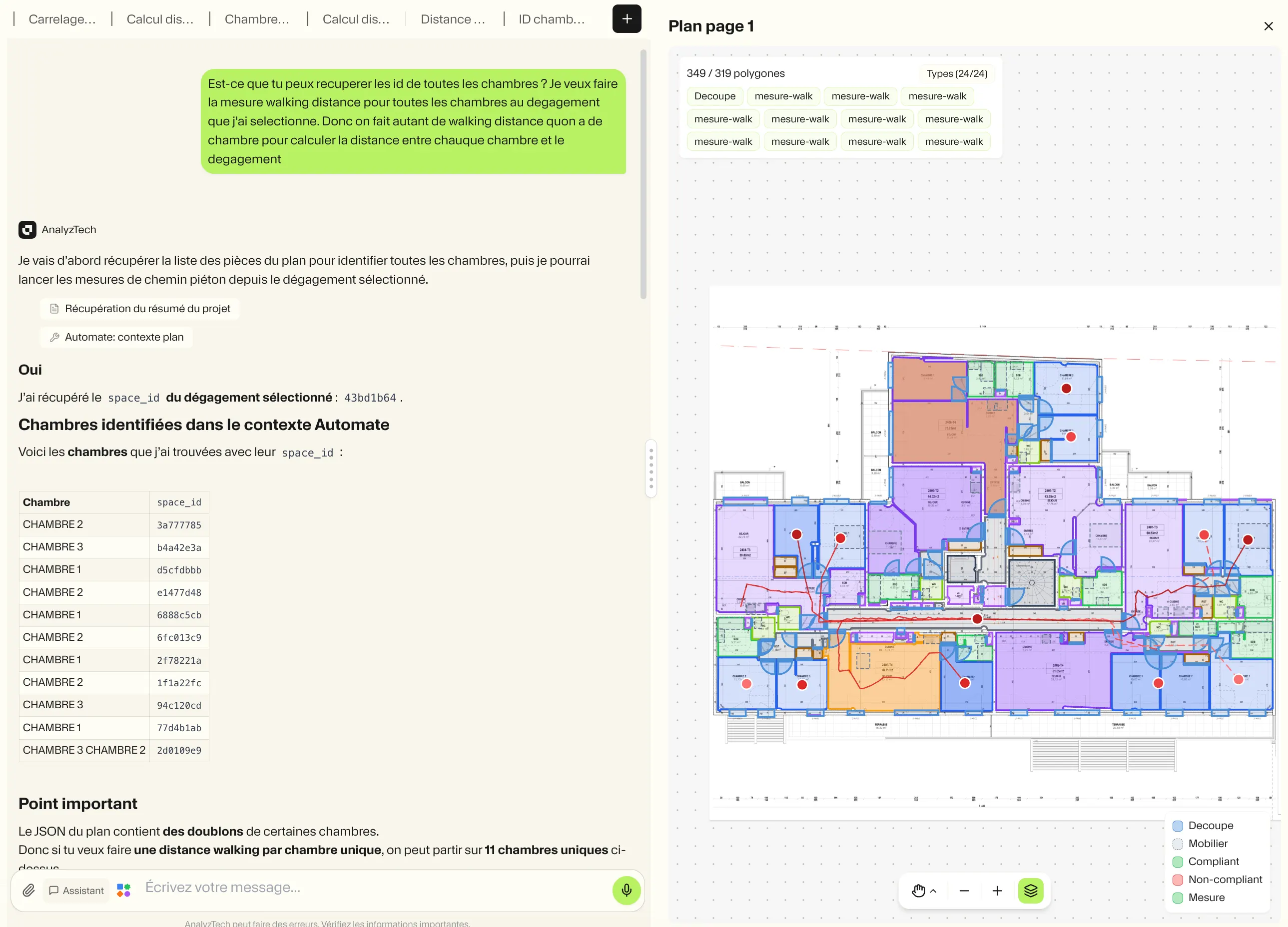
AnalyzTech interface showing an AI assistant beside a marked-up floorplan
01Construction document intelligence · Computer vision · Operational software

AnalyzTech

Historical work led by Hugo Sequier before State Method · Client: BTP Consultants

Problem
Manual review covered documents of more than 40 pages and plan-based checks.
System
An R&D-to-production platform combined backend APIs, OCR and computer vision pipelines, polygon visualization, verification skills and AWS deployment. Hugo delivered the work as a solo developer.
Source-reported result
The canonical source reports 80% time saved on verification workflows, a 50% productivity gain, 99% classification precision and 96% room-mask precision.
State Method relevance
Interpretation sits beside structured geometry, application state and a verification interface. The model output is therefore described as one part of operational software, not as a standalone decision.
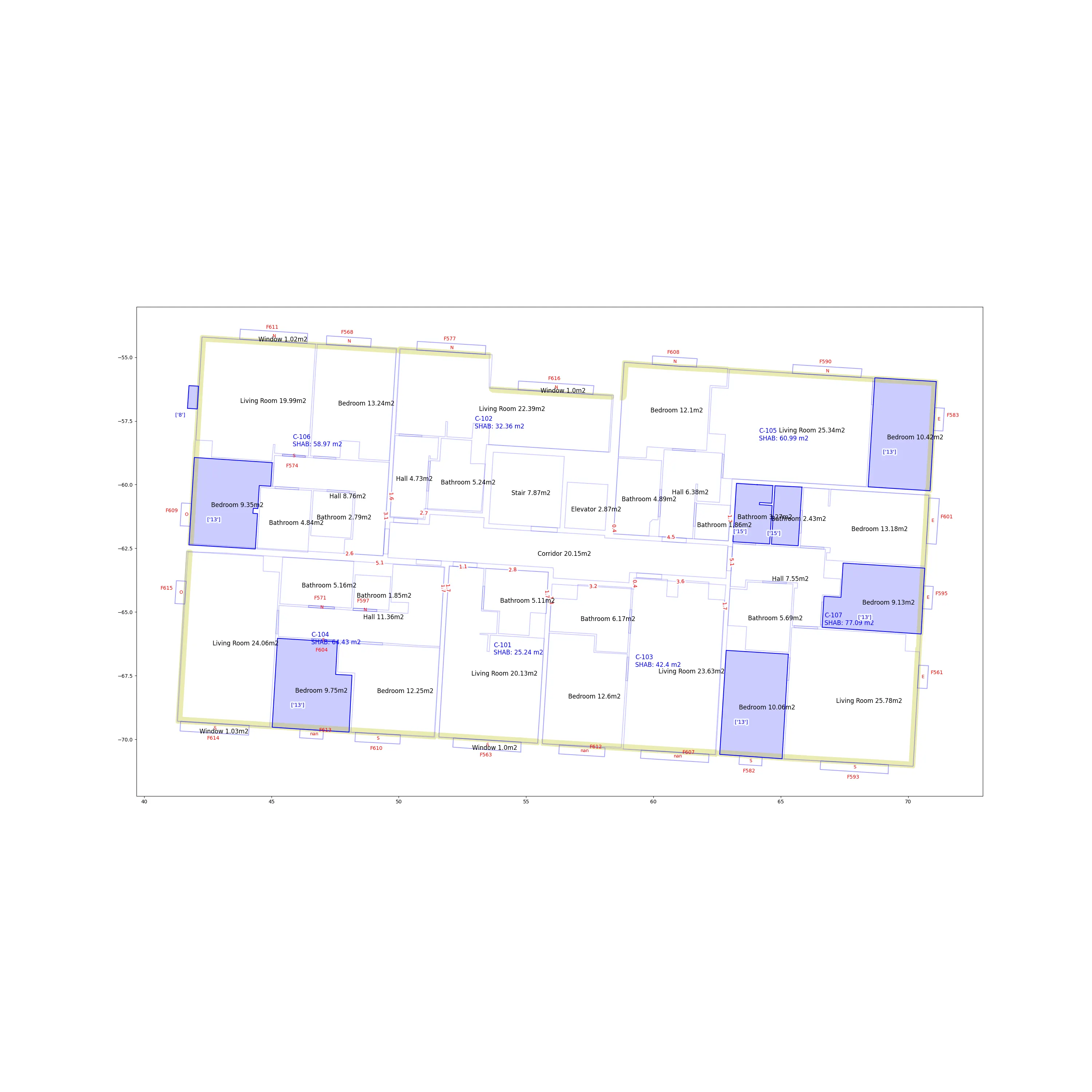
Floorplan automation output with detected and classified room polygons
02Construction workflow automation · Deterministic rules · Reporting

Floorplan Automation Pipeline

Historical work led by Hugo Sequier before State Method · Client: BTP Consultants

Problem
Technical controllers manually selected plan areas and ran geometric checks one by one.
System
The pipeline took in PDFs, extracted polygons, post-processed geometry, enriched metadata, ran rule-based PMR and fire-safety checks, and generated a report.
Source-reported result
The canonical source reports a 30% productivity increase, 90,000 hours saved and approximately €2 million in economic gains in the project context.
State Method relevance
Deterministic PMR and fire-safety checks hold a different role from plan extraction. The resulting report supports technical controllers rather than replacing their role.
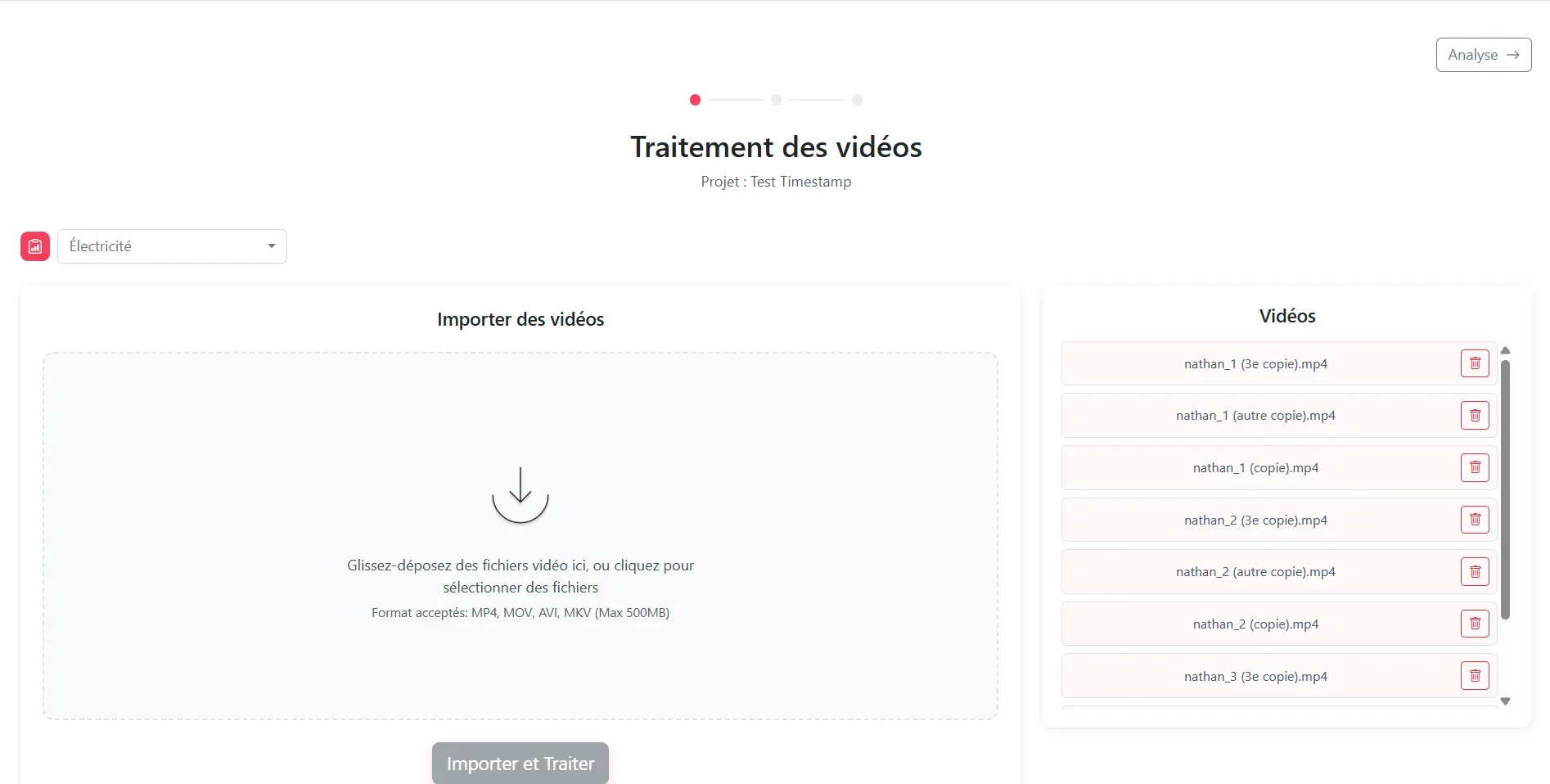
Video to Report interface for uploading construction-site videos
03Construction site video · Document drafting · Human review

Video to Report

Historical work led by Hugo Sequier before State Method · Client: BTP Consultants

Problem
Site teams took notes during visits and drafted compliance reports later from scratch.
System
The system accepted video uploads, segmented them, used vision-language analysis, extracted key moments and screenshots, and prepared a structured report draft for office review. Hugo built and operated it as a solo engineer.
Source-reported result
The canonical source reports more than 300 hours of video analyzed and approximately three hours saved on report drafting per project.
State Method relevance
A model interprets unstructured video and the software structures supporting evidence. A person reviews the draft in the office before it can serve as a report.
Floorplan segmentation experiment highlighting detected room areas
04Computer vision R&D · Dataset and inference pipeline

Floorplan Computer Vision

Historical work led by Hugo Sequier before State Method · Client: BTP Consultants

Problem
Very high-resolution floorplans required polygon masks precise enough for downstream checks.
System
Plan ingestion, Roboflow annotation, dataset building, model selection, training and inference deployment. The project also informed a later wall-based room extraction approach.
Source-reported result
The source reports 88 mAP@50 for furniture detection and 60 mAP@75 for room detection. Room masks were not accurate enough for production-grade use.
State Method relevance
The negative finding is part of the evidence: a model score did not override the downstream quality requirement.

Executed synthetic example

05Executed synthetic example

Public construction Diagnostic

Fictional company and operating baseline

Evidence label: Synthetic documents and cases · Actually executed workflow and harness · Not a client outcome · Not production evidence · Productivity and ROI remain hypotheses

Problem
Show how one drawing-revision workflow can be bounded and tested before a pilot without presenting confidential client material.
System
A frozen 56-case harness covering representative, edge, known-bad, permission and recovery scenarios, with deterministic controls, human approval and audit records.
Source-reported result
The recorded synthetic run produced 56/56 expected behaviors, zero observed critical unsafe states and 5/5 sampled decisions reconstructed. It supported only a four-week bounded pilot.
State Method relevance
The example makes the method, evidence references and authority boundary visible while stating what the sample cannot prove.

Work CTA

Bring one workflow into focus.

Start with its current boundary, evidence, review owner and operating baseline. The assessment is the first step, not a promise to build.

Assess one workflow